Our Climate Change & Health Campaign is grounded in the Hawaiʻi Department of Health’s Climate Change Vulnerability Assessment and strengthened through close collaboration with city, county, and state partners. Together, we’ve begun addressing priority impacts—starting with heat and invasive species, which pose immediate risks to community wellbeing through rising heat-related illnesses, ecological disruption, and threats to local food systems. As our campaign expands, we plan to explore additional climate-related health challenges highlighted in the assessment, including water and air quality, extreme weather events, vector-borne diseases, and mental health impacts. By aligning statewide vulnerability insights with coordinated, cross-agency action, we aim to build resilience, promote informed decision-making, and empower our communities to stay healthy as climate conditions continue to evolve.
Heat-Related Illness, Climate Change, and Overall Health


The Hawaiʻi Department of Health and county partners developed this statewide heat awareness campaign in 2024 to share information about heat-related illness and practical steps people can take to stay safe during hot and humid seasons. In the past decade, the average number of hot and humid days and very warm nights has more than doubled due to climate change and is expected to increase. The campaign includes resources for the general public, workers, households, and groups that may be more affected by heat.
Invasive Species, Climate Change and Health
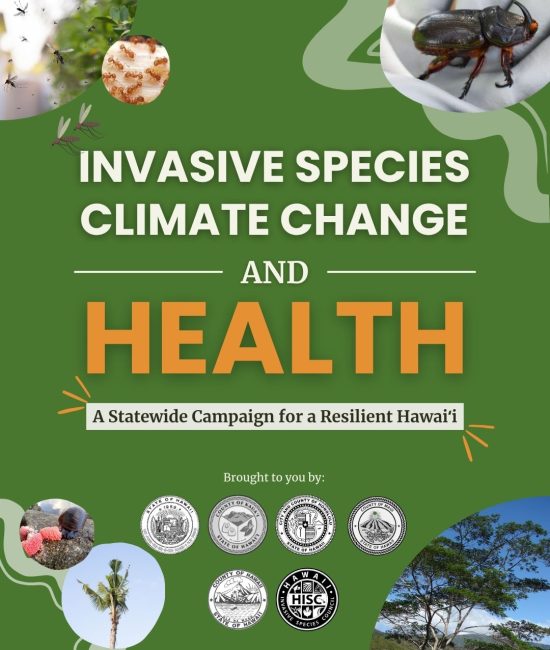
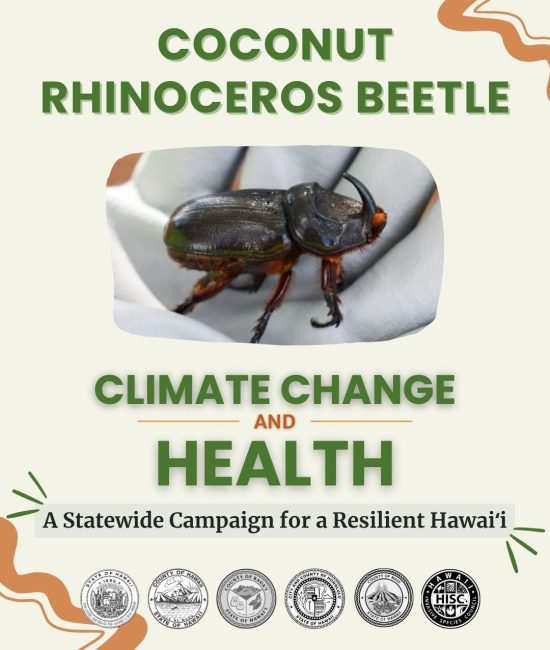
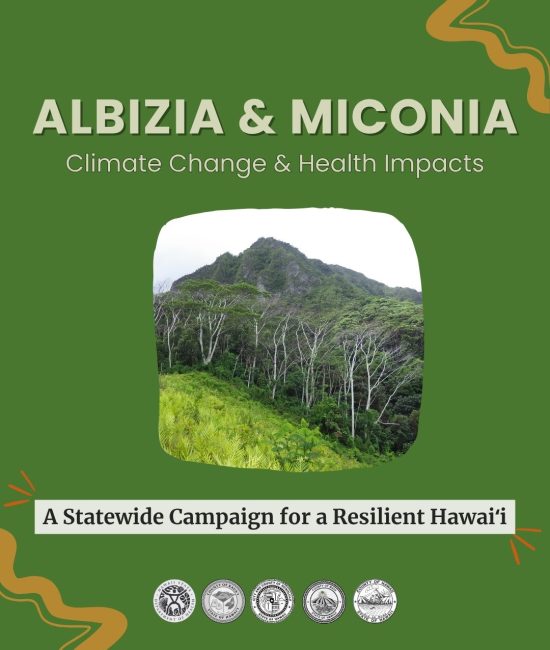
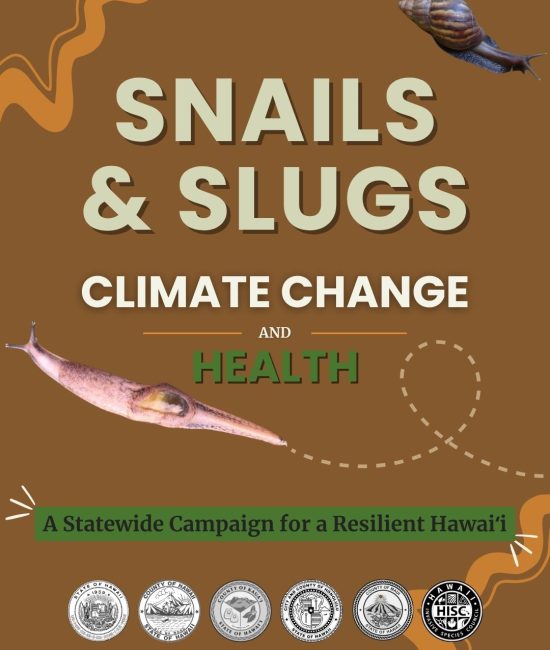
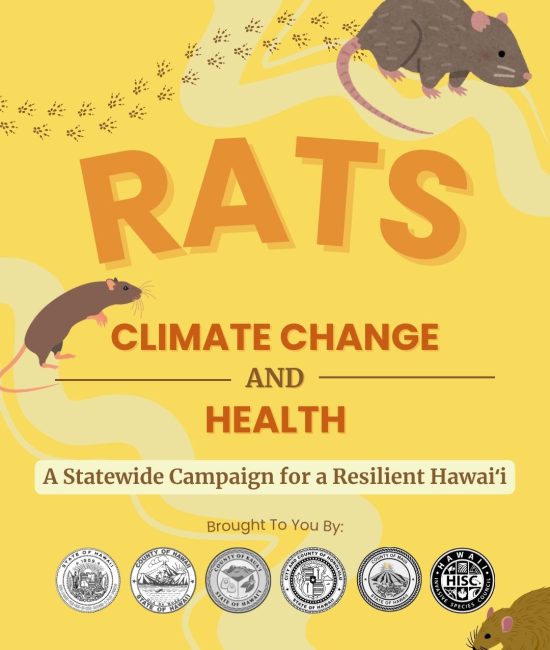
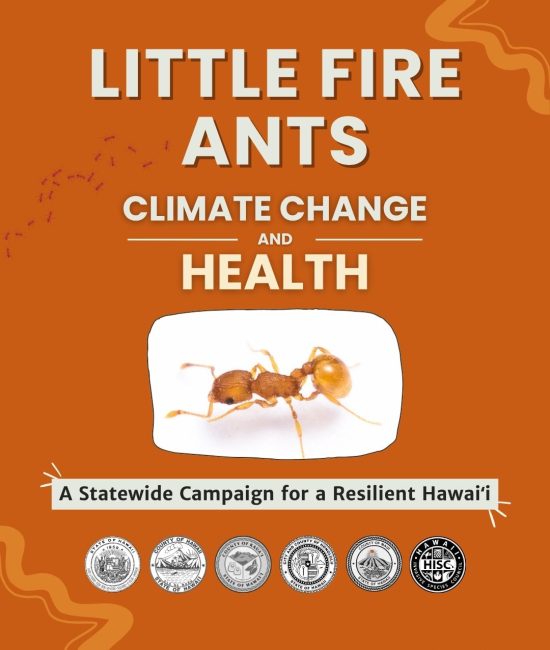
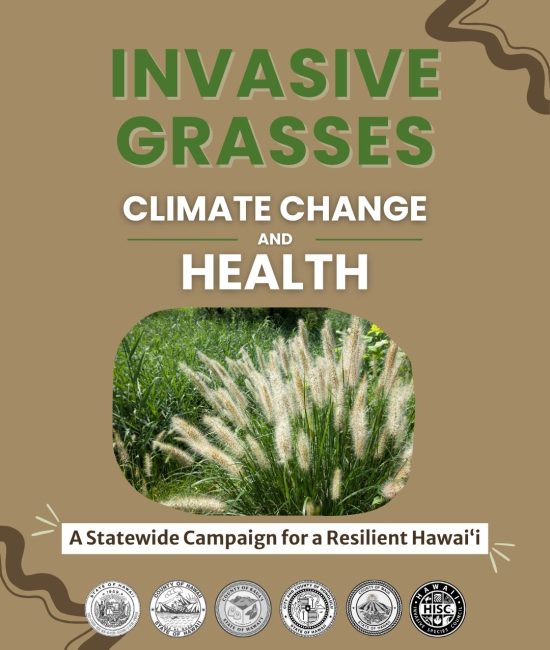
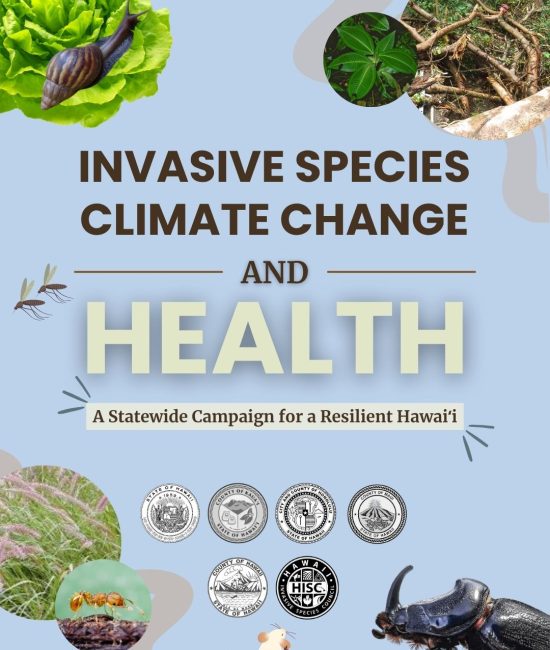
The State of Hawaiʻi and county partners developed this campaign in 2025 to share information about the interconnected relationships between climate change, invasive species, and health. The campaign covers topics including mosquitoes, rats, snails and slugs, little fire ants, coconut rhinoceros beetles, albizia, and miconia, along with links to additional information and prevention resources.