Wastewater Surveillance
About Wastewater Surveillance
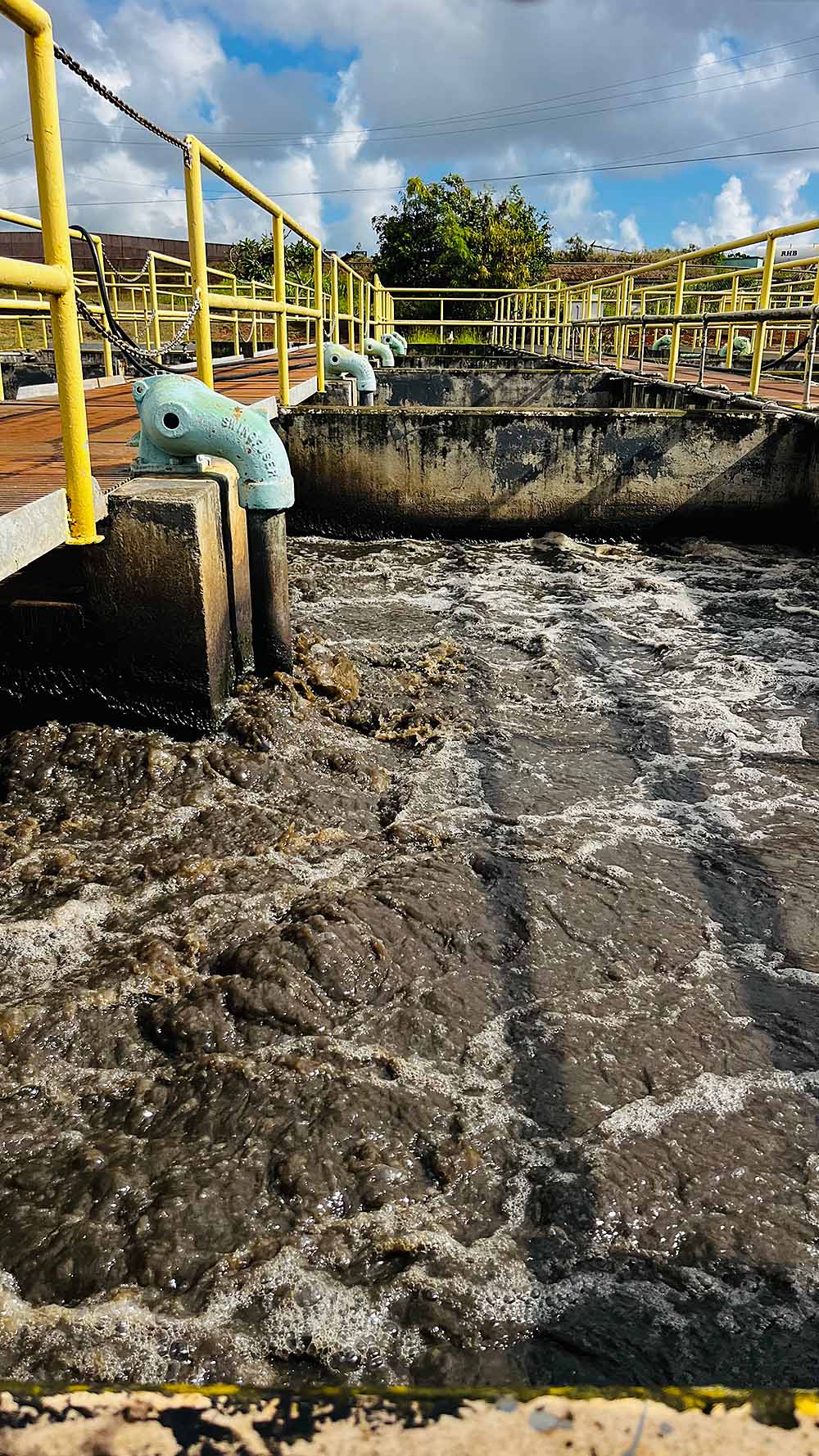
Wastewater is the used water discarded from homes, workplaces, hospitals, and other establishments during everyday activities such as flushing toilets, washing hands, and showering. This water travels through sewer systems, (if connected) to wastewater treatment plants (WWTPs), where it is cleaned and disinfected.
In Hawaiʻi, wastewater surveillance looks for germs, or pathogens, that sick people release in their urine, stool, and other bodily fluids during everyday activities like using the toilet, showering, or washing up. By monitoring untreated wastewater entering WWTPs across the state, the Hawaiʻi Department of Health (DOH) can identify infectious diseases in our communities. This approach, known as wastewater-based epidemiology, provides information about disease trends at the population level and may provide early-warning of disease outbreaks.
Why Do Wastewater Testing?
The idea of testing wastewater to detect and monitor health threats has been used for many years, with examples including the 1854 London cholera outbreak and the poliovirus outbreaks in the United States during the 1940s. However, this method gained significant attention during the COVID-19 pandemic, leading to the development of Centers for Disease Control & Prevention (CDC) National Wastewater Surveillance System (NWSS) in September 2020 to support monitoring efforts of COVID-19 using wastewater samples across the United States.
Shortly after, in November 2020, the Wastewater Surveillance for Community Action Network (WasteWaterSCAN) project developed by Stanford University and Emory University began its COVID-19 wastewater testing efforts. They share their methods and data with NWSS and publish their findings publicly online.
Wastewater monitoring provides a community-level view of disease activity. It can sometimes detect new disease events or trends before sickness is widely reported in the community, and may add to our understanding of disease spread, in areas with limited healthcare access. It offers a non-invasive approach to monitor certain disease threats.
In times when clinical testing is limited or not widely available, wastewater surveillance can fill gaps. It helps track a range of diseases such as COVID-19, influenza, norovirus, respiratory syncytial virus (RSV), and even antibiotic-resistant superbugs. Because wastewater surveillance collects from a whole community’s sewer waste, it can provide a more inclusive and equitable representation of the community’s health rather than samples collected only from patients who seek medical care.
It’s important to recognize that wastewater testing is an evolving field. DOH is still actively integrating this data into our existing public health framework. The ability to explain everything we find in wastewater is still developing; but despite its complexity, wastewater-based epidemiology shows promise as an early warning system for public health. The information gathered from wastewater surveillance can help public health leaders make effective and more timely decisions. This includes guiding resource allocation, informing medical providers, addressing hospital preparedness, and alerting the public.
How is Wastewater Surveillance Conducted in Hawaiʻi?
Hawaiʻi participates in wastewater surveillance through collaborative efforts with national programs and local partners; these partnerships are working to centralize all collected data within the National Wastewater Surveillance System (NWSS) to provide a comprehensive public health picture for the state.
- Center of Disease Control Prevention’s (CDC) National Wastewater Testing Contract: Hawaiʻi participates in the National Wastewater Surveillance System (NWSS), a nationwide initiative. Data from specific sites across the islands are supported through the CDC’s national testing contract (currently with Verily Life Sciences, LLC) and reported directly to the CDC.
- Academic and Research Partners: WastewaterSCAN provides data through a partnership between Stanford University, Emory University, and Verily to support local surveillance efforts.
- State and Local Health Departments: The Hawaiʻi State Laboratories Division (SLD) performs local wastewater testing and data collection, with operations supported by the CDC’s Epidemiology and Laboratory Capacity (ELC) Cooperative Agreement for the prevention and control of emerging infectious diseases.
Who Does Wastewater Testing?
Hawaiʻi utilizes multiple data sources to ensure comprehensive coverage; the testing partner varies by location.
| County | Wastewater Testing Partners Enrollment Status |
||
|---|---|---|---|
| SLD | NWSS-Verily | WasteWaterSCAN | |
| Honolulu County | ✖ | ✔ | ✔ |
| Maui County | ✖ | ✔ | ✖ |
| Kauaʻi County | ✔ | ✖ | ✖ |
| Hawaiʻi County | ✔ | ✔ | ✖ |
What Pathogens are Tested for in Wastewater?
This table summarizes the pathogen testing panel used by each surveillance partner in Hawaiʻi. It shows which organizations (SLD, NWSS or WasteWaterSCAN) are currently testing specific pathogens across the state. A check mark (✓) indicates the pathogen is included in that partner’s standard testing protocol.
| Pathogen | Wastewater Testing Partners |
||
|---|---|---|---|
| SLD | NWSS-Verily | WWSCAN | |
| SARS-CoV-2 (COVID-19) | ✔ | ✔ | ✔ |
| Influenza (Flu; A, including subtypes) | ✔ | ✔ | ✔ |
| Influenza (Flu; B) | ✔ | ✔ | |
| Respiratory Syncytial Virus (RSV) | ✔ | ✔ | ✔ |
| Norovirus (NoV) | ✔ | ✔ | |
| Mpox (hMPXV; including subtypes) | ✔ | ✔ | |
| Measles | ✔ | ✔ | ✔ |
| Human Metapneumovirus | ✔ | ||
| Enterovirus D68 | ✔ | ||
| Parvovirus | ✔ | ||
| Rotavirus | ✔ | ||
| Human Adenovirus Group F | ✔ | ||
| Hepatitis A | ✔ | ||
| Candida auris | ✔ | ||
| West Nile Virus | ✔ | ||
Hawaiʻi Wastewater Success Stories
Influenza A H5N1- November 2024
Hawaiʻi’s wastewater monitoring delivered an early warning of H5 avian influenza (bird flu) on Oʻahu in November 2024. This detection allowed DOH and Hawaiʻi Department of Agriculture and Biosecurity to swiftly investigate potential exposure sources and identify at-risk individuals. After confirming the presence of avian influenza in a backyard flock, health officials proactively contacted dozens of individuals, offering testing to those with potential contact. Due to the rapid response and early detection in wastewater, the risk of transmission to humans was able to be assessed quickly and the public reassured. No human cases of avian influenza occurred.
MPOX - September 2023
Hawaiʻi’s wastewater monitoring detected Mpox in the community’s wastewater at the same time a confirmed human case was identified. DOH quickly issued a news release, sharing important information about the virus, and provided easy access to vaccines for at-risk groups. Following the public health response, continued wastewater monitoring helped confirm the success of these efforts. The absence of further wastewater detection provided reassurance that there was no additional community spread or missed cases linked to the initial event. This event demonstrated wastewater surveillance as a tool for evaluating the effectiveness of public health response.
Wastewater Surveillance Q & A
What is Wastewater?
Wastewater, often called sewage, is the used water discharged from homes (including toilets, sinks, showers, and laundry) and various facilities like restaurants, schools, and businesses. This “dirty” water is unfit for drinking and is collected via a system of pipes and drains. It’s then transported to a wastewater treatment plant (WWTP) where it undergoes cleaning and treatment before being safely released back into the environment.
What is Wastewater Surveillance?
Wastewater surveillance, also known as wastewater-based epidemiology (WBE), is a method that involves collecting and analyzing untreated sewage. These samples are typically collected from wastewater treatment plants (WWTP) before treatment or various points within sewer networks. This sewage contains genetic material (RNA or DNA) as well as other biomarkers from pathogens shed in human waste. By testing for specific pathogens, public health officials can gain insights into the prevalence of infectious diseases within a community. WBE can detect a wide range of pathogens, including viruses and bacteria.
Why is Wastewater Surveillance Important for Hawaiʻi?
- Early Warning System: Wastewater data can sometimes show the detection of pathogens or changes in disease trends days to weeks before they are seen in reported cases. Early detection gives public health agencies time to prepare for potential outbreaks, allocate resources, and implement targeted interventions. This means a more proactive and effective response to keep Hawaiʻi’s communities healthy.
- Complements Clinical Testing: Wastewater surveillance works alongside individual clinical testing, offering a community-wide view. It can detect infections from both symptomatic and asymptomatic individuals, providing a more complete picture of disease.
- Tracking Variants and Emerging Threats: Wastewater surveillance can provide information on emerging variants of viruses and help track the spread of specific infectious diseases (such as Influenza or SARS-CoV-2), helping to inform public health responses.
What Pathogens Can Be Detected in Wastewater?
Wastewater surveillance is a powerful tool for monitoring community health. It detects genetic material from pathogens shed in human waste. In Hawaiʻi, current wastewater surveillance efforts focus on:
- SARS-CoV-2 (COVID-19) and its variants
- Influenza (Flu; A, including subtypes)
- Influenza (Flu; B)
- Respiratory Syncytial Virus (RSV)
- Norovirus (NoV)
- Mpox (hMPXV)
- Measles
- Human Metapneumovirus
- Enterovirus D68
- Parvovirus
- Rotavirus
- Human Adenovirus Group F
- Hepatitis A
- Candida auris
- West Nile Virus
What does a Detection in Wastewater Mean?
Detections in wastewater signify specific pathogens being tested for have been identified in the wastewater sample. This means they are present at a concentration high enough to be measured. However, a wastewater detection cannot identify an individual case or confirm widespread community illness. It simply confirms a pathogen’s presence in the wastewater system, indicating its possible circulation within the community. For the Hawaiʻi’ Department of Health (DOH), this prompts preparedness actions, such as further investigation and advising the public.
How Wastewater Surveillance Works
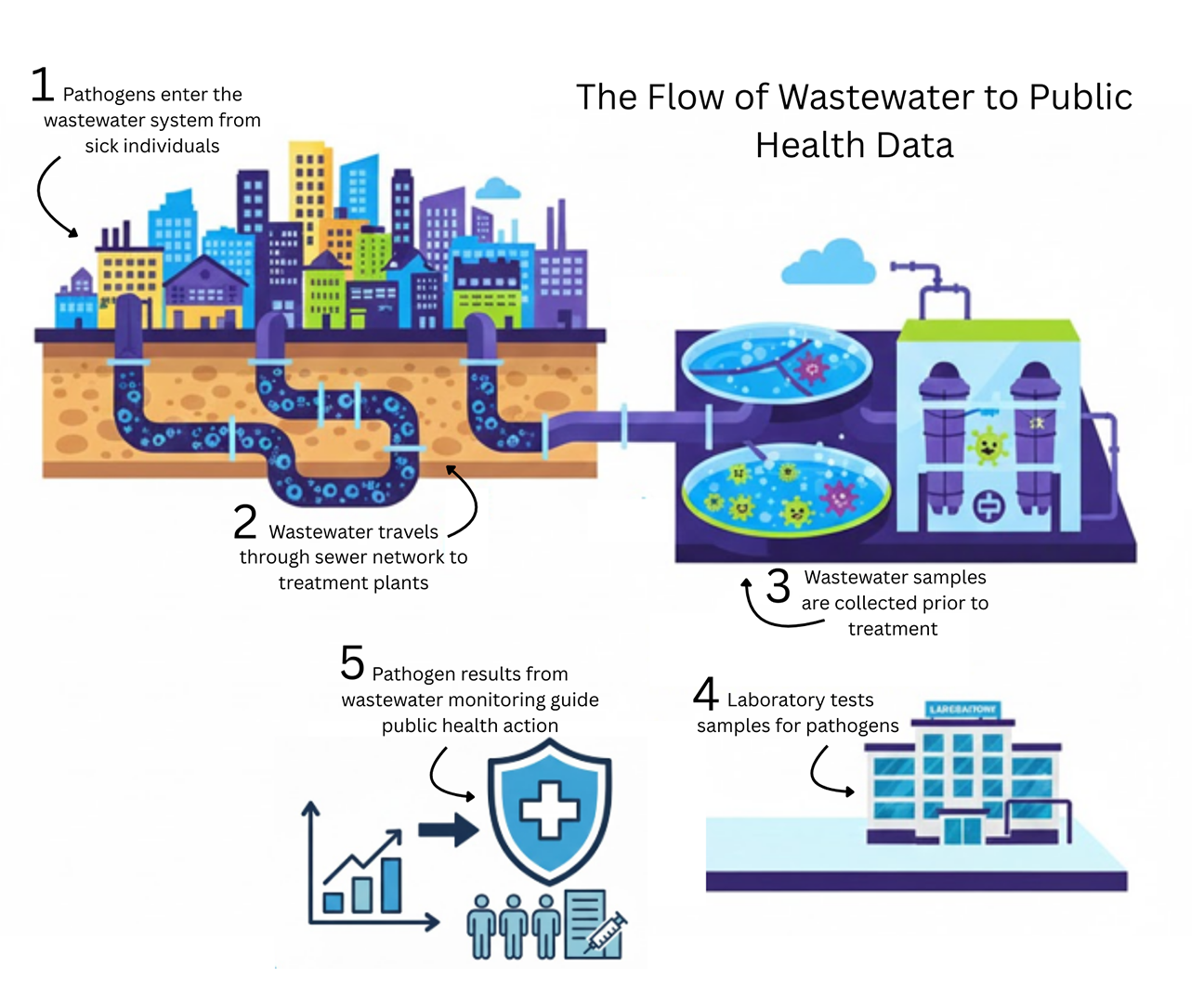
- Sample Collection: Samples are collected from participating WWTP across the state and shipped to a network-affiliated laboratory.
- Laboratory Analysis: Samples are analyzed by laboratories to detect and quantify the genetic material (RNA or DNA) of targeted pathogens. This involves molecular techniques such as polymerase chain reaction (PCR) and sometimes genome sequencing to identify specific variants.
- Results Sharing: Results are shared to help guide public health strategies and response.
Is it Possible to Be Infected by Pathogens Found in Wastewater?
Infection from pathogens in wastewater is possible, but the risk level varies dramatically depending on the exposure:
- The highest risk comes from direct contact with raw, untreated sewage (such as during sewer backups or floods), as this can transmit pathogens primarily through the fecal-oral route; therefore, proper hygiene and protective gear are essential for those handling it.
- Workers with occupational exposure to wastewater (such as employees at treatment facilities), can minimize risk by following strict safety protocols and wearing appropriate Personal Protective Equipment (PPE). For the general public, this risk of getting infections from wastewater is considered negligible
- The risk from treated wastewater discharged into the environment is extremely low. The wastewater has undergone treatment and disinfection that meet EPA standards for discharge.
What are the Limitations of Wastewater Surveillance?
Although wastewater surveillance is a powerful tool, wastewater surveillance has some limitations:
- No Exact Case Counts: Wastewater surveillance provides community-level data and cannot identify specific infected individuals or households.
- Factors Affecting Data: Wastewater pathogen levels can vary due to collection time, methods, and dilution (like rainfall). Inhibitors could be present in wastewater that impacts the detection of pathogens.
- Inhibition assessments are in place to ensure RNA quantification methods and viral recovery are performing as expected.
- Interpretation of Results: The detection of a pathogen doesn’t mean an infectious person is present in the community. Some detections might represent inactive (non-viable) pathogens, such as avian flu from pasteurized milk being dumped. Pathogens that infect animals other than humans might enter wastewater streams through environmental contamination.
- False positives are also possible; DOH references additional information such as case data and syndromic surveillance to provide the most reliable interpretation.
- Infrastructure Gaps: Communities not served by municipal sewer systems cannot be monitored through this method.
- Sensitivity: Wastewater surveillance might not capture low levels of infection in a community.
Where Can I Find More Information about Hawaiʻi's Wastewater Surveillance Data?
Wastewater surveillance data for Hawaiʻi is made publicly available through the state’s collaborating partners:
For more questions or concerns contact the Disease Immunization Branch reporting line (808) 586-4586
- Ask to be connected to the Wastewater Epidemiologist
Limitations
While wastewater surveillance is very helpful, it has some limitations:
- Wastewater surveillance can provide a warning that sickness is spreading in a community, but it doesn’t provide a count of every person who is ill or infectious.
- Detection of a pathogen in wastewater cannot tell us how it got there. It might or might not be from a person with active infection. For some pathogens, there might be an animal or environmental source that can contaminate wastewater. For example, avian flu can circulate in wild birds that may contaminate wastewater at or upstream of collection sites.
- Very low levels of infection might not be detected.
- Not all communities or buildings are connected to WWTP. As a result, areas that are disconnected cannot be sampled or monitored for surveillance.
- Wastewater contains a variety of non-pathogenic substances including medicines, personal care products, soaps, and other household chemicals. These can make it harder for laboratories to extract pathogens. However, there are checks in place to make the tests as accurate as possible.
References
 National Wastewater Surveillance System (NWSS) | CDC
National Wastewater Surveillance System (NWSS) | Wastewater Monitoring in the U.S. | CDC
Wastewater Surveillance: A New Frontier for Public Health | CDC
Singh, S., Ahmed, A. I., Almansoori, S., Alameri, S., Adlan, A., Odivilas, G., Chattaway, M. A., Salem, S. B., Brudecki, G., & Elamin, W. (2024). A narrative review of wastewater surveillance: pathogens of concern, applications, detection methods, and challenges. Frontiers in public health, 12, 1445961.
Clark, J. R., Terwilliger, A., Avadhanula, V., Tisza, M., Cormier, J., Javornik-Cregeen, S., Ross, M. C., Hoffman, K. L., Troisi, C., Hanson, B., Petrosino, J., Balliew, J., Piedra, P. A., Rios, J., Deegan, J., Bauer, C., Wu, F., Mena, K. D., Boerwinkle, E., & Maresso, A. W. (2023). Wastewater pandemic preparedness: Toward an end-to-end pathogen monitoring program. Frontiers in public health, 11, 1137881.