
Cyclosporiasis (Cyclospora Infection)
About This Disease
Cyclosporiasis is an intestinal illness caused by the microscopic parasite Cyclospora cayetanensis, also known as Cyclospora. People can become infected by consuming contaminated food or water. It is commonly associated with foreign travel to tropical or subtropical regions of the world. In the United States, outbreaks have been linked to various types of fresh produce.
In the past 10 years, no locally acquired cyclosporiasis cases have been identified in Hawaiʻi. Cases diagnosed in Hawaiʻi are rare, and all have occurred in people who traveled outside the state before becoming ill.
How It Spreads
Cyclosporiasis is spread by consuming food or water that has been contaminated with stool (poop) containing Cyclospora oocysts. These oocysts are passed in the stool of an infected person, but they need at least 1 to 2 weeks in the environment to become infectious. Because of this, Cyclospora does not spread easily from person to person.
Signs and Symptoms
People who are infected with Cyclospora may or may not experience symptoms. The time between becoming infected and becoming sick is usually about one week but can range from 2 days – 2 weeks or more. Cyclospora infects the small intestine (bowel) and usually causes watery diarrhea with frequent and sometimes explosive bowel movements. If not treated, the illness may last from a few days to over a month. Symptoms may seem to go away and then return one or more times (relapse). People can also get infected with Cyclospora more than once.
Cyclosporiasis is not usually life-threatening, but dehydration from frequent bouts of diarrhea can cause severe illness, particularly among younger or older people and those who have weakened immune systems.
Risk by Geographic Location
In Hawaiʻi
No cases of locally acquired cyclosporiasis have been identified in a Hawaiʻi resident in the past 10 years.
In the US
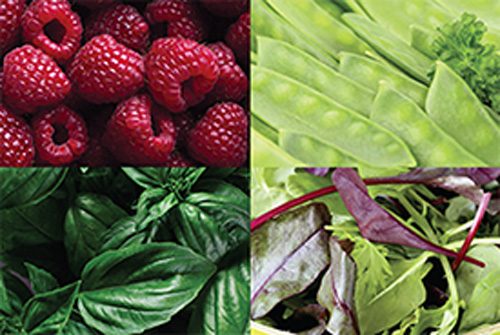
In the US, foodborne outbreaks of cyclosporiasis have been linked to different types of fresh produce, including bagged salad mixes and kits (pre-cut lettuce blends with romaine, iceberg, red cabbage, carrots), basil, cilantro, green onions, mesclun lettuce, raspberries, and snow peas. To date, no outbreaks have been linked to commercially frozen or canned produce. Domestically, most cases of cyclosporiasis typically occur during May through August.
Travelers
People may be at an increased risk for infection when living or traveling in tropical or subtropical regions of the world where cyclosporiasis is endemic (regularly occurring within an area or region). However, people living in other areas can become infected with Cyclospora by consuming food or water that has been contaminated with the parasite.
Testing and Diagnosis
A doctor can diagnosis cyclosporiasis by testing a sample of stool for “ova and parasites”.
Symptoms of cyclosporiasis can look like other intestinal illnesses caused by bacteria or viruses, so testing is needed to confirm the cause. Detecting Cyclospora requires special laboratory tests that are not part of routine stool testing. If your doctor thinks you may have cyclosporiasis, they should specifically request testing for Cyclospora. If indicated, stool specimens should also be checked for other microbes that can cause similar illness.
Laboratory tests can have a hard time detecting Cyclospora even when patients have symptoms. Diagnosis can be difficult in part because even patients who are symptomatic might not shed enough oocysts in their stool to be readily detectable by laboratory examinations. Therefore, patients might need to submit several specimens collected on different days.
Treatment
Most people who have healthy immune systems will recover without treatment, but their illness may last longer. People in poor health or those who are immuno-compromised may be at a higher risk for severe or long illness. Trimethoprim-sulfamethoxazole (TMP-SMX) (sold as Bactrim, Septra, or Cotrim) is the treatment of choice for Cyclosporiasis. No vaccine for Cyclosporiasis is available.
Prevention
People can prevent cyclosporiasis by not consuming food or water that may be contaminated with stool.
You can reduce your risk by following these precautions:
- Choose food and water from safe, reliable sources.
- Rinse fruits and vegetables under clean running water before eating, cutting, or cooking. Washing can reduce – but not fully remove – the risk.
- Cook food when possible. Heating food to 158°F (70°C) or higher kills Cyclospora.
- Drink only treated or bottled water. Avoid drinking untreated water from ponds, streams, or rivers.
- Boil water if safety is uncertain.
- Be aware that chlorine and iodine do not kill Cyclospora.
- Practice good kitchen hygiene by washing hands, utensils, cutting boards, and surfaces before and after handling food.
- Avoid swimming while ill with diarrhea and for 2 weeks after diarrhea resolves.
Travel Precautions
Travelers should follow the precautions specified by the CDC Yellow Book, especially when traveling to regions where Cyclospora is more common. It’s important to know that routine chemical disinfection or sanitization of food or water is unlikely to kill Cyclospora.
When traveling in areas with limited sanitation:
- Do not drink water or eat food that could be contaminated that may be contaminated with stool.
- Do not drink untreated water (ponds, streams, rivers).
- Avoid raw vegetables, salads, and fruits you cannot peel.
- Avoid drinks with ice, ice cream, street‑vendor food, and tap water.
- Choose foods that are thoroughly cooked and served hot. Heating food to 158°F (70°C) or higher kills Cyclospora.
- Drink sealed bottled beverages or water that has been boiled.
- Avoid swimming while ill with diarrhea until 2 weeks after diarrhea resolves.